
For January and July alike
Low-E Window Film in Raleigh
Most window film in the Triangle is sold on summer heat, but the region also has cold winter nights, and older single-pane glass loses warmth quickly. Low-E window film works in both seasons.
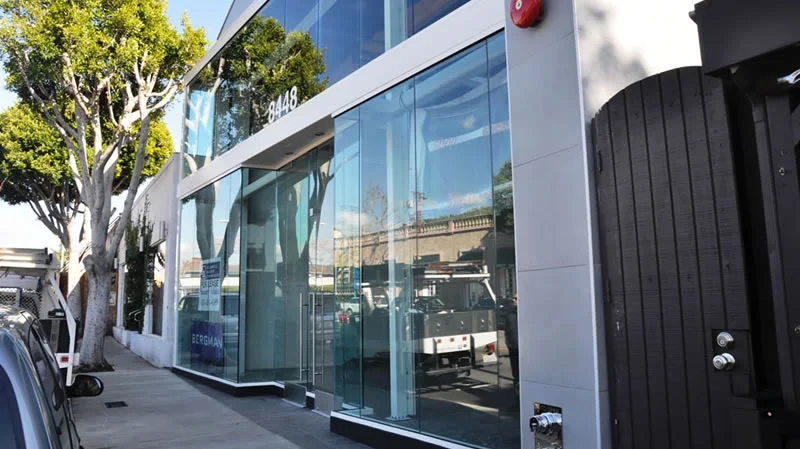 Raleigh
How Low-E Window Film Works Through a Raleigh Year
Low-emissivity film has a very thin metallic layer that reflects long-wave heat. In summer, it cuts solar heat gain like other solar films. In winter, it bounces part of the room's own warmth back toward the people in it rather than losing it to the cold pane. The effect is strongest on single-pane glass, which has no insulating air space.
Raleigh winters are mild most of the time, but January and February bring frosty mornings and occasional ice storms. Heat pumps, common in Triangle homes and small commercial buildings, lose efficiency in cold weather and lean on backup heat. Reducing heat loss through old glass helps them keep up on those nights, and the same film helps through the long cooling season.
Low-E Film for Schools, Churches and Municipal Buildings
Many older schools, churches and town buildings across Wake, Johnston and Durham counties still carry tall single-glazed openings, many of them in steel sash. Replacing them is expensive and, in some historic buildings, not allowed or not desirable. Classrooms and sanctuaries with those windows run hot in late summer and cold near the glass in winter.
Low-E film is one of the few retrofits that addresses both seasons without replacing windows. In Clayton and other towns where civic buildings and churches date back many decades, we see a lot of these windows. Installs are scheduled during school breaks or between services, and we provide product data to facility managers and boards for budgeting and approvals. Church property committees and school facility staff often need numbers for a capital plan, and the film's published performance figures give them something concrete to compare against replacement quotes.
- Single-pane classroom and sanctuary windows
- Steel and aluminum framed commercial glass
- Older office buildings awaiting window replacement
- Historic buildings where replacement is restricted
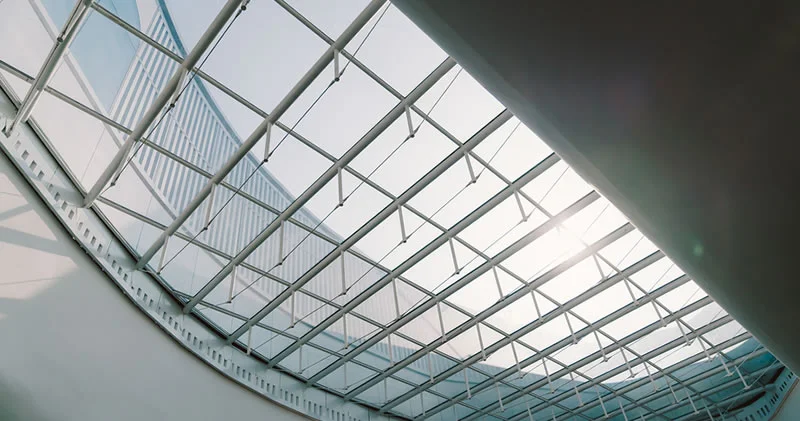
Historic House Windows and Low-E Film Around Oakwood and Chapel Hill
Historic homes in Oakwood and Mordecai, and older houses near downtown Chapel Hill, often keep their original single-pane wood windows for good reasons: the windows are repairable, the glass has character and local preservation rules favor keeping them. The trade-off is drafty, cold glass in winter and hot glass in summer.
Low-E film on the inside of those windows improves both seasons without touching the exterior. It works well alongside storm windows and weatherstripping. We check the old glass carefully first, since cracked or loose panes need repair before film, and we choose products suitable for older glass.
Condensation, Glass Type and Low-E Film
Because low-E film keeps more heat in the room, the glass itself can get colder on winter nights. On single-pane glass in humid rooms, that can increase condensation at the bottom of the window. Good ventilation, bathroom and kitchen fans, and sensible humidity levels keep it in check.
Low-E film is not always the right choice on newer dual-pane low-E windows, which already have a coating. In those cases a standard solar film, or none at all, may be better. We identify the glass and recommend low-E film only where it adds real value. A simple check with a lighter flame held near the glass shows the reflections of a factory coating, and builder paperwork or spacer labels confirm it. If your windows already have low-E glass, the quote will say so and suggest what, if anything, would help more.
Low-E Window Film Benefits for Triangle Buildings
Summer Solar Heat Reduction
Low-E film cuts the solar heat entering through sunny glass during the long cooling season, easing the load on air conditioners and heat pumps across the Triangle.
Winter Heat Retention Through Glass
The film reflects part of the room's heat back inside on cold nights, so single-pane rooms lose warmth more slowly and feel less chilly near the windows.
Low-E Film Instead of Window Replacement
For schools, churches and historic homes, film improves glass performance without replacing windows that are expensive, restricted or worth keeping.
Comfort Near Old Windows
Seats near single-pane windows feel less cold in winter and less hot in summer, which makes classrooms, sanctuaries and living rooms more usable all year.
Raleigh Owners Ask About Low-E Film
Is low-E film worth it in a mild climate like Raleigh's?
On single-pane glass, yes, because it helps in both the long cooling season and the cold winter nights. On newer low-E windows, the gain is smaller and we may recommend a different film.
Will low-E film cause condensation on my windows?
It can increase condensation on single-pane glass in humid rooms, because the glass runs colder. Ventilation and humidity control usually keep it manageable.
Can low-E film go on historic windows?
Usually, if the glass is sound. It is applied on the inside and does not change the exterior. Check with preservation staff if you are in a local historic district.
Does low-E film darken the room?
Many low-E films are fairly light. Some have a slight tint or reflectivity, and we show samples on your glass before you choose.
Window film quote
Low-E Window Film Quotes for Raleigh Buildings
On the quote form, sketch out the building for us: roughly how old the windows are, what they are made of and what bothers you in July versus January. Photos of the windows, inside and out, help a great deal.
Prefer email? info@windowfilmraleigh.pro