Raleigh window tinting
Window Film in Raleigh for Offices, Storefronts and Homes
Raleigh Window Film Pros installs commercial and residential window film across the Research Triangle, from state office floors downtown to lab buildings in RTP and two-story houses in Cary. We start with the glass that overheats, glares or exposes the space behind it.
Residential and commercial film · 20 neighborhoods and Triangle cities served · Quotes by email
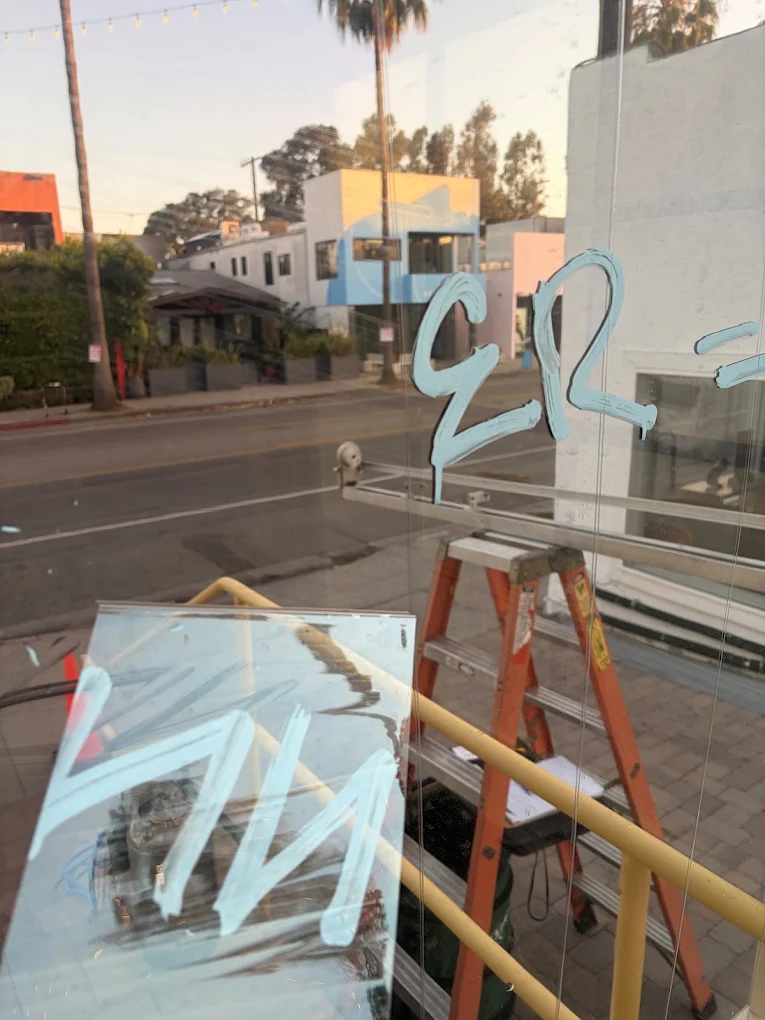
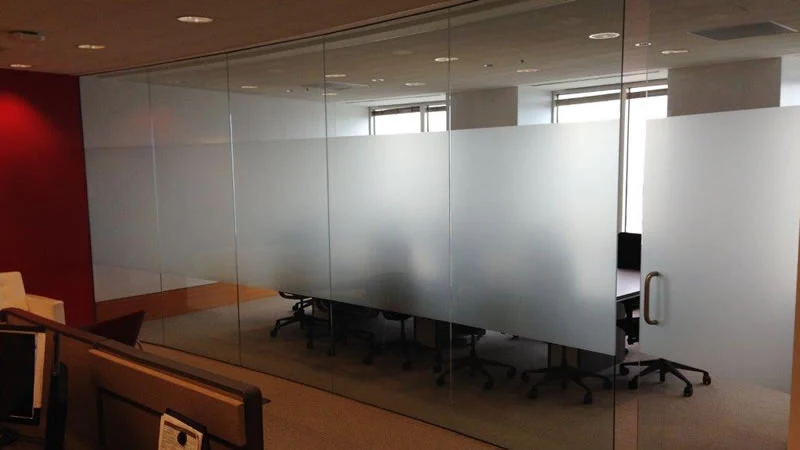
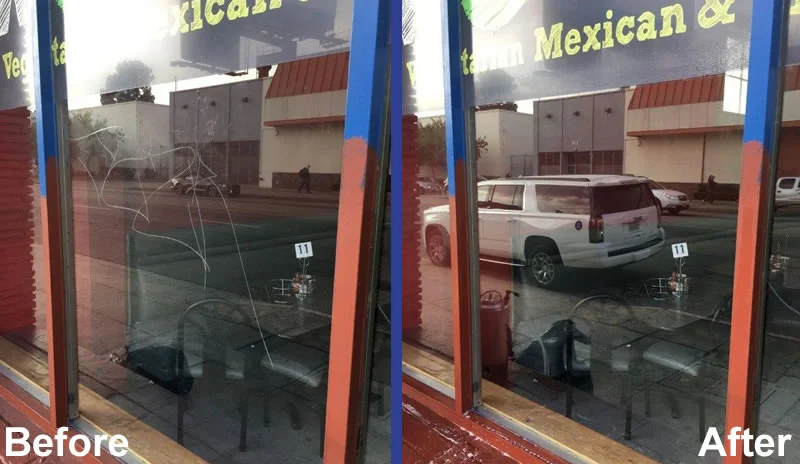
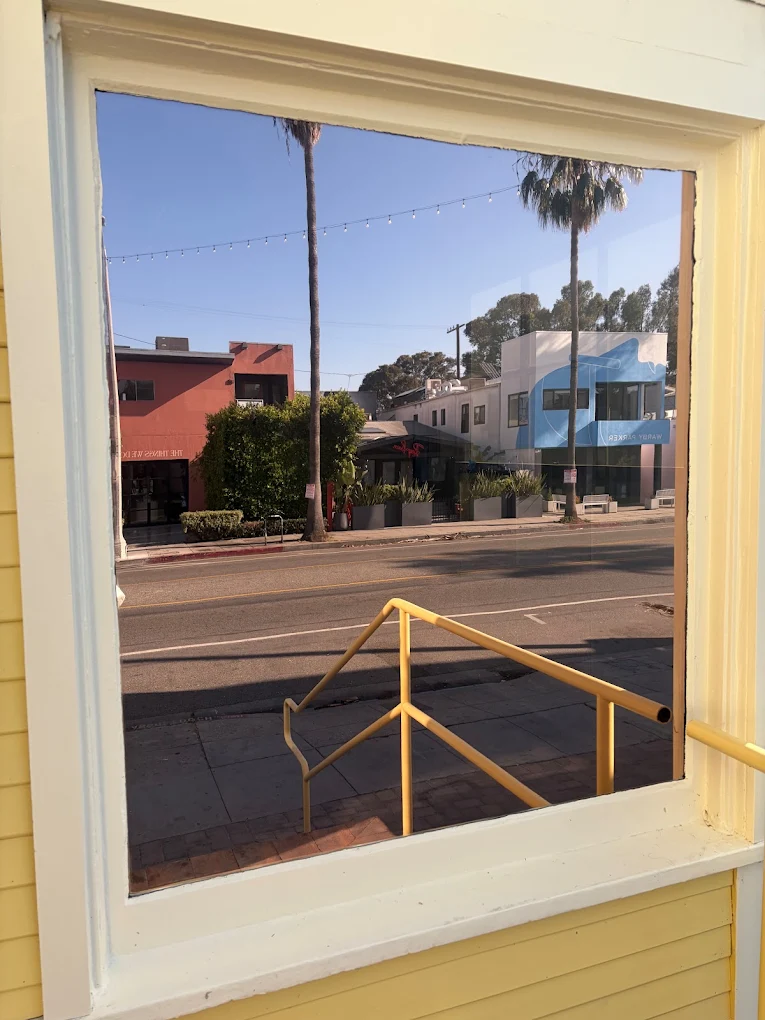
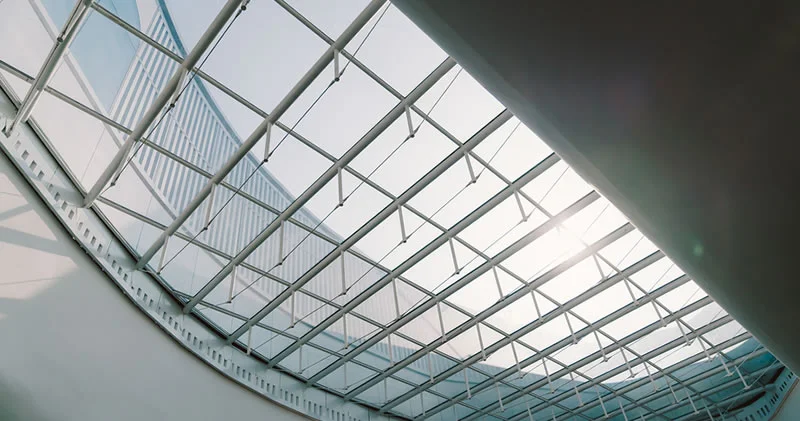
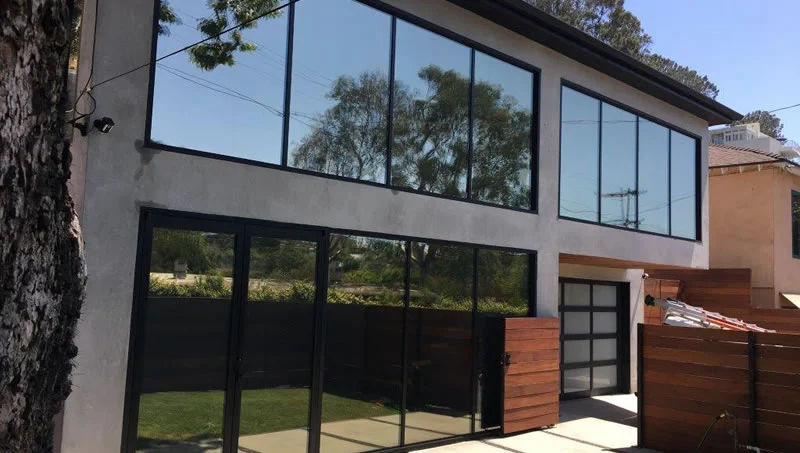
Window film in Raleigh
Commercial Window Film for Raleigh Offices, Labs and Public Buildings
Most of our Triangle work is commercial. Downtown Raleigh packs state agency offices around the Capitol and the Legislative Building, bank and law towers along Fayetteville Street, and newer glass office buildings that went up as the skyline filled in. North Hills adds mid-rise offices stacked over shops and restaurants. Research Triangle Park, between Raleigh and Durham, holds corporate campuses and lab buildings spread through the pines, many of them built decades ago with long ribbons of tinted single-pane glass.
Each of those buildings has a different person who decides what goes on the glass. In a multi-tenant tower it is the property manager and the building engineer. On a campus it is the facilities group, sometimes working with an energy manager who wants data before anything is approved. In state and university buildings, procurement rules and maintenance staff shape the schedule. We write quotes that answer the questions those people ask: which glass is involved, whether the film is compatible with it, how the outside of the building will look, and when the crew will be on site.
Medical offices near the hospitals, retail along Glenwood Avenue and Capital Boulevard, hotels, schools, churches and the warehouse and flex buildings out along I-40 make up the rest of the commercial list. The common requests are heat on west elevations, glare on screens, privacy for exam rooms and meeting rooms, and glass that holds together after a break-in.
Typical upper ranges across residential and commercial film lines. Your numbers depend on the film and the glass, and we spec them before install.
Ask Which Film Fits →Raleigh Window Tinting From First Email to Cured Film
Every quote starts with your windows, not a catalog. Here is how a Raleigh install runs from first email to finished glass.
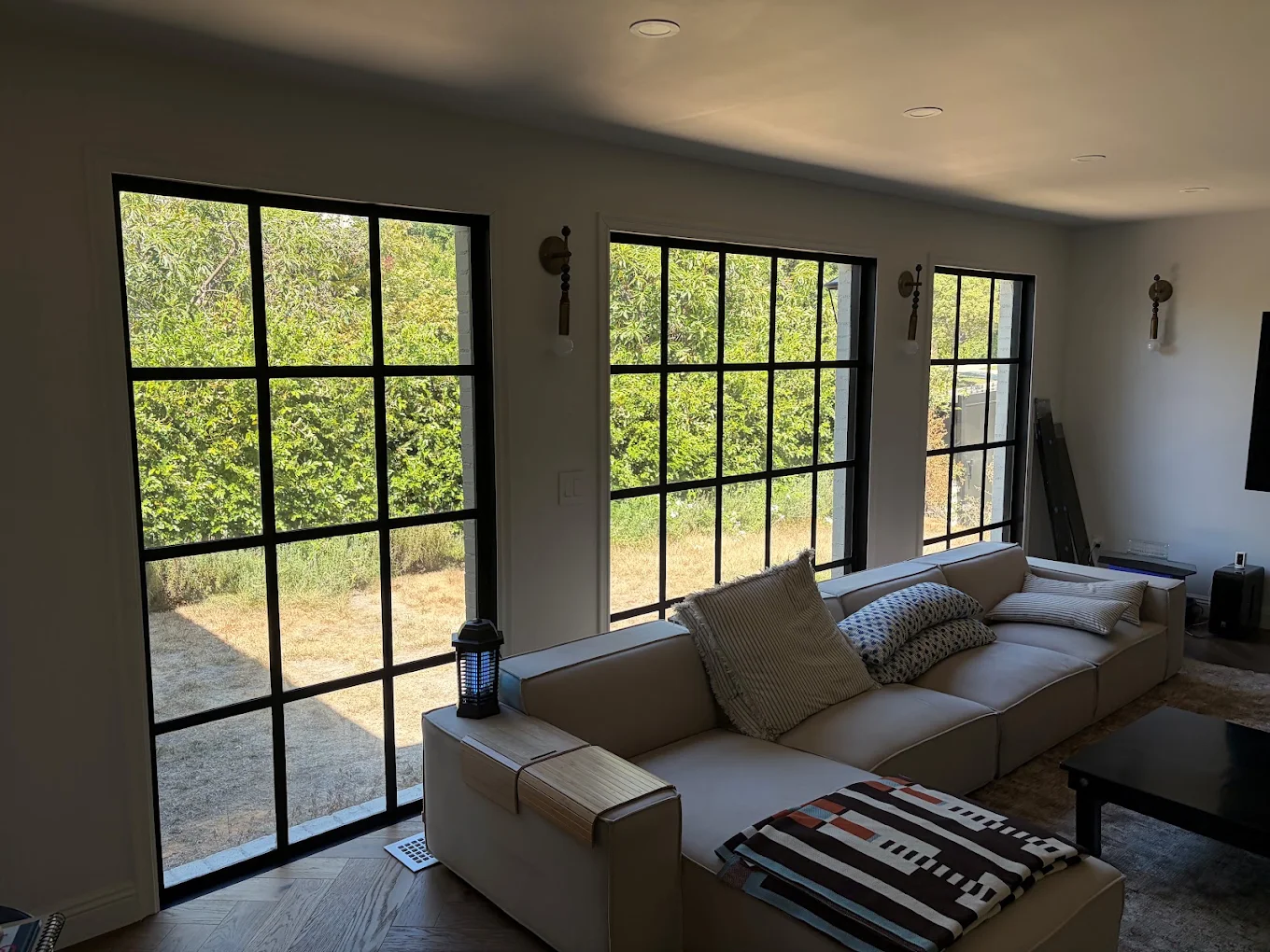
Send Your Window Sizes for a Raleigh Quote
Start on the quote form with the address, the windows or elevations that bother you and rough dimensions. Photos taken at the worst hour help. A reply with film choices and a price range follows.
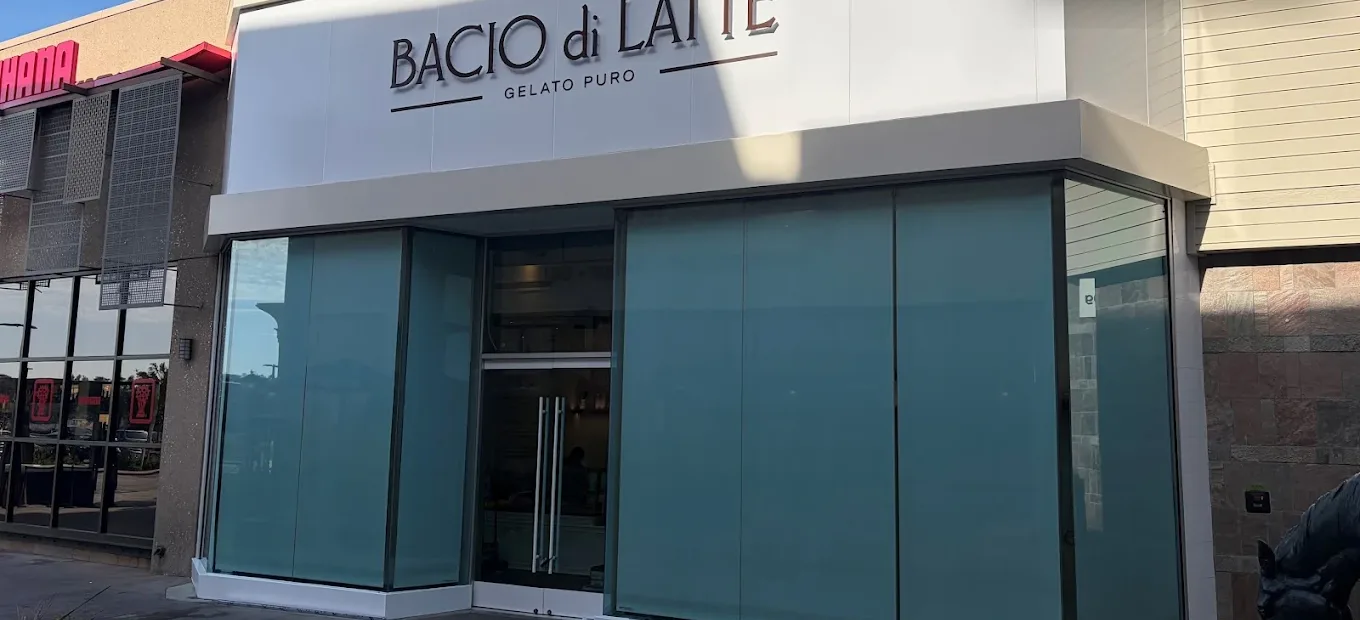
Glass Inspection and Film Samples at Your Building
We confirm the glass type, look for factory low-E coatings, failed seals and existing film, and hold samples against your actual panes. Facility teams can see how each option looks from the parking lot before choosing.
Window Film Install Day at Your Home or Office
Drop cloths go down first. Each pane is scrubbed, sprayed, covered with film, trimmed to the gasket and squeegeed dry. A typical house takes one day; commercial work is phased, often overnight or on weekends.
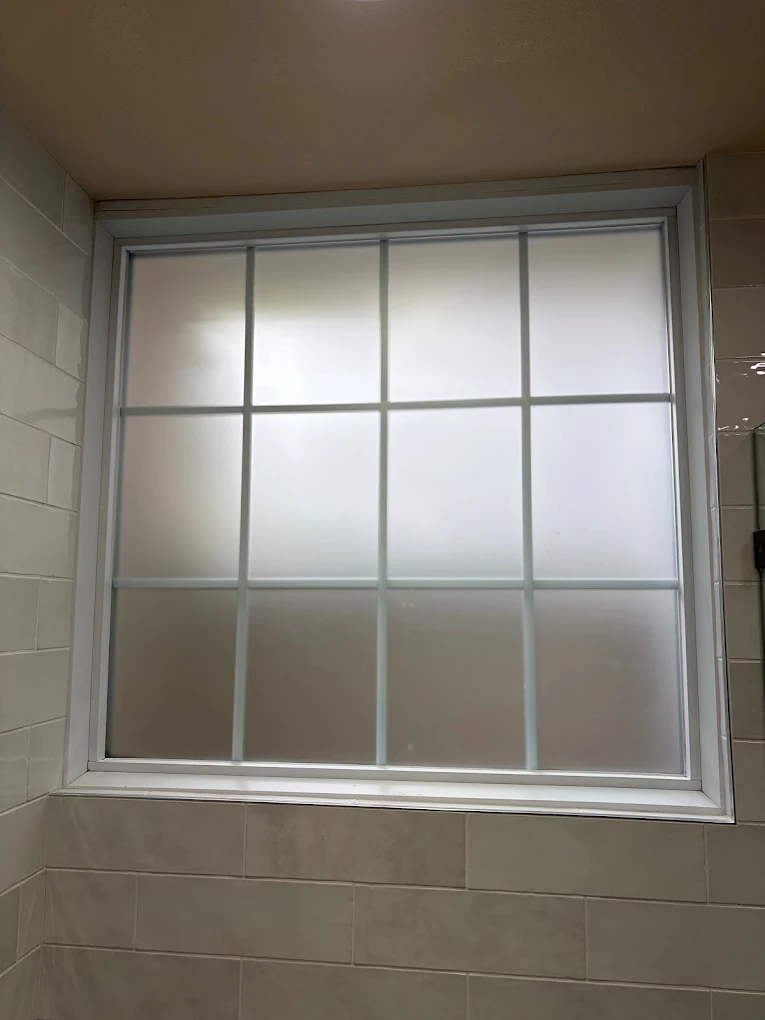
Curing Window Film in Triangle Humidity
Trapped moisture has to work its way out. Cloudy spots or tiny water blisters are normal for a while and fade on their own, more slowly in muggy August weather. Hands off the glass until it clears.
Why Window Tinting Matters in Raleigh's Humid Summers
Central North Carolina summers are long, hot and sticky. Air conditioning in the Triangle usually runs from late spring well into September, and humid nights keep buildings from cooling off before the next morning's sun arrives. A west-facing conference room or a glassed-in sunporch can stay uncomfortable into the evening even with the system running hard.
The sun angle explains where the trouble shows up. In June the noon sun rides high, so overhangs and deep window reveals shade a lot of south glass. The low sun in the morning and late afternoon is different. It slides in under the overhangs and lands flat on east and west glass, and those are the hours when perimeter offices and bedrooms climb past the thermostat setting. In winter the pattern flips: the low southern sun is welcome warmth on most days, which is why we rarely recommend the darkest film for south glass on a house.
Spring brings its own window issue. When the pines release pollen in April, a yellow film settles on every car, deck and window ledge in the region. Filmed glass handles the cleanup fine, but crews and cleaning staff should use soft cloths and a mild, ammonia-free cleaner rather than scraping the dust off dry.
Window Film for Triangle Homes, Historic Districts and HOA Suburbs
On the residential side, the Triangle mixes very old houses with very new ones. Oakwood and the Mordecai area hold Victorian and early twentieth-century homes with tall wood windows and old glass. Five Points and Hayes Barton have 1920s and 1930s houses under big oaks. Out in Cary, Apex, Holly Springs, Wake Forest and Knightdale, subdivisions keep spreading across former farmland, with two-story houses, double-hung vinyl windows and very little mature shade.
Those two groups raise different questions. In a local historic district, the Raleigh Historic Development Commission reviews exterior changes, and film applied inside the glass is usually treated as a minor matter, but checking first costs nothing. In the suburbs, homeowners associations write the rules, and a mirror-finish film on a front elevation is the thing most likely to bring a letter. We bring low-reflectance samples and spec sheets either group can review.
Duke Energy, Town Utilities and Energy-Saving Window Film in the Triangle
Duke Energy supplies electricity to most of Raleigh, Durham, Chapel Hill and the Wake County suburbs. A few towns, including Apex and Wake Forest, run their own municipal electric systems. Whoever sends the bill, summer cooling is where window glass costs the most, and film trims the solar heat that the air conditioning would otherwise have to remove.
For commercial buildings the gains show up as steadier perimeter temperatures and lower cooling demand on sunny afternoons. Universities and state agencies in the Triangle work under state energy-reduction goals, so their facility teams often ask for film performance data to put in project records. We supply the manufacturer's published figures for each film we propose and explain what they mean for your glass, without promising a specific bill reduction.
Raleigh service areas
Where Raleigh Window Film Pros Installs in the Triangle
Inside the city that means the downtown office core, Glenwood South's towers, the Warehouse District's brick, Oakwood's Victorians, Mordecai's porches, Five Points under the oaks, North Hills off the Beltline and Brier Creek near the airport. West of town we go to Research Triangle Park, Morrisville, Durham and Chapel Hill. South and west Wake County means Cary, Apex, Holly Springs, Fuquay-Varina and Garner, and to the north and east we drive out to Wake Forest, Knightdale and Clayton in Johnston County. Each area page explains the buildings and window problems typical of that place.
Raleigh Window Film and Tinting Questions
What does window film cost for a Raleigh office or home?
Four things set the number: the film you pick, total square feet, how many separate panes there are and how the glass is reached. Forty divided lites in an Oakwood parlor take longer than six big office panes of the same area, and a two-story foyer needs ladders or a lift. Phone photos plus tape-measure sizes are enough for a first number.
Will tinting make my rooms or office darker?
Not necessarily. Spectrally selective films block much of the sun's heat while staying close to clear. Darker or mirrored products stop more heat, and you pay for that with a dimmer room and a grayer view. We show both on your glass so you can compare before deciding.
Do I need approval in Oakwood or another Raleigh historic district?
Exterior changes in Raleigh's local historic districts go through the Raleigh Historic Development Commission. Film applied on the inside, with no change to sash, frame or glass, is typically treated as minor work, but call the city's preservation staff first. We can supply samples and product sheets if they ask.
Will my HOA in Cary or Apex let me tint my windows?
Committees mostly care about what shows from the street: mirror finishes and colored tints draw objections, neutral films rarely do. Check your covenants and send the committee our spec sheet with your request.
Does film affect the warranty on newer windows?
Sometimes. A few window manufacturers write film exclusions into their dual-pane warranties, while film makers often back approved film and glass pairings with coverage of their own. Your glass gets checked against those charts before we recommend a product.
Can you install film in a lab or medical building without disrupting work?
Yes. We schedule around lab hours, clinic schedules and secure areas, and can work evenings or weekends. Facility staff tell us what escorts, badges or cleanliness rules apply, and we plan the crew and sequence around them.
How long does window film last in the Triangle climate?
Interior-applied film on homes and offices usually lasts many years, and the manufacturer's warranty states the exact term. Exterior film, used on some commercial glass, takes direct sun and rain and wears out sooner. Gentle cleaning helps any film last.
Window film quote
Raleigh Window Tinting Quotes for Buildings and Houses
Name the building, the windows and the problem on the quote form. Photos, drawings and HOA or lease rules can go to info@windowfilmraleigh.pro, and an installer who works the Triangle will answer with options.
Prefer email? info@windowfilmraleigh.pro